
Do meaningful work without losing yourself in the process.
At The Center for Resilience, we believe therapists do their best work when they have the freedom to practice in ways that feel authentic to them—and the relationships, resources and support that allow them to sustain that work over time.
CFR was built to create a different kind of professional home: one where clinicians are trusted to bring their own identities, lived experiences, clinical perspectives and creativity into their work while remaining connected to a community of colleagues who value collaboration, curiosity and growth.
We don't expect therapists at CFR to practice the same way or become versions of one another. We want clinicians to have room to develop their own voices, deepen the areas of work that matter to them and shape professional lives that can be sustained alongside the lives they want to live.
Autonomy without isolation. Community without conformity.
Explore Opportunities at CFR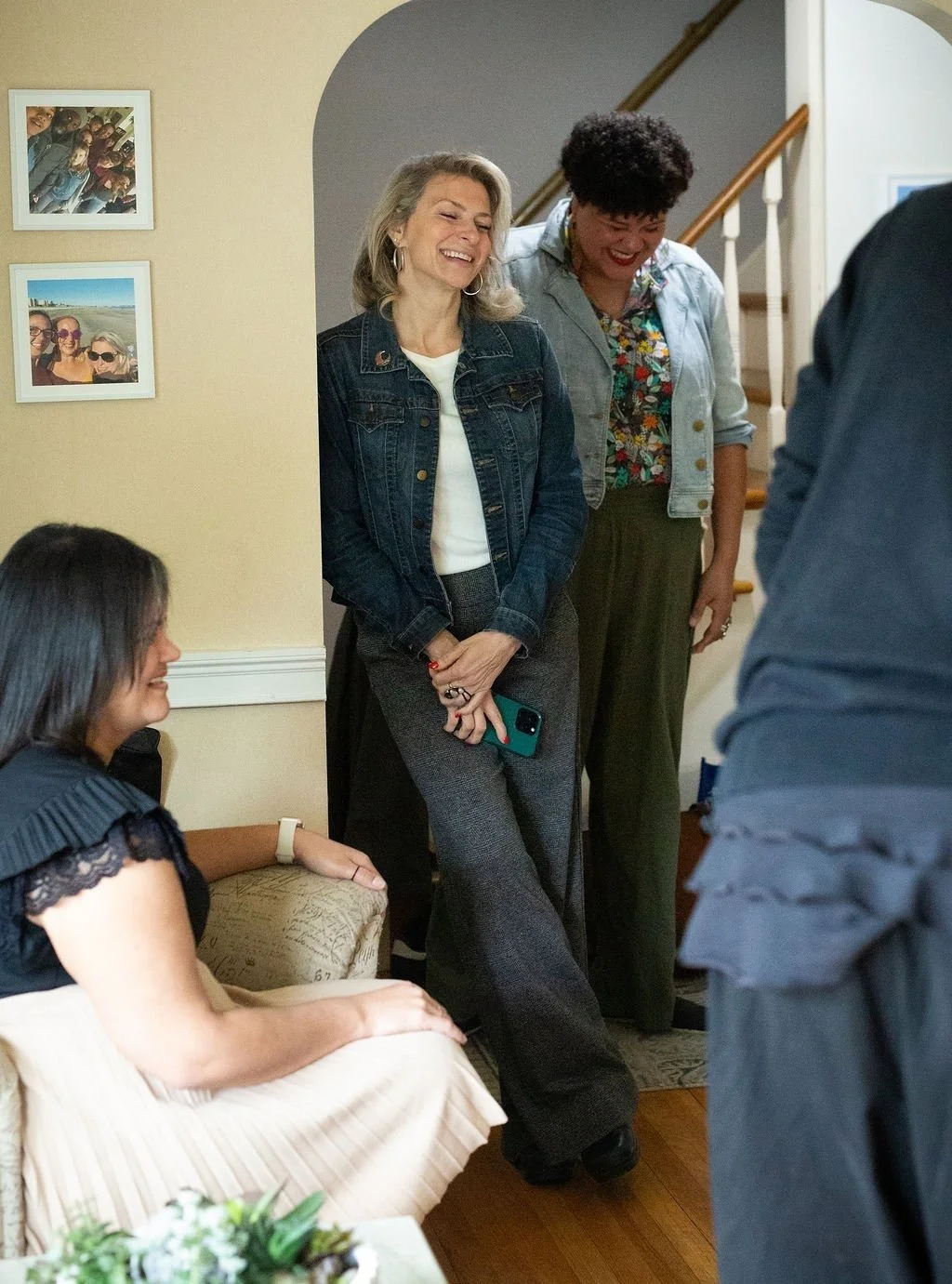
Why Work at CFR?
A professional home designed to support both excellent care and sustainable practice.
We believe supporting therapists well is part of providing excellent care to clients. CFR is designed to give clinicians meaningful autonomy while also providing the relationships, infrastructure and support that make it possible to focus more fully on the work they care about.
Autonomy in Your Work
We trust clinicians to bring their own clinical judgment, identities, lived experiences and ways of working into the therapy room.
Rather than asking therapists to fit into a single clinical model, CFR provides room for clinicians to develop their own therapeutic voice, pursue areas of work that interest them and shape their practice in ways that feel authentic to who they are.
Connection Without Conformity
Autonomy shouldn't have to mean practicing alone.
CFR is a community of therapists with different backgrounds, identities, perspectives and approaches. Clinicians have opportunities for consultation, collaboration and connection while maintaining independence in how they practice.
The goal is not for everyone to think or work the same way. It is to create a professional community where people can learn from one another while remaining fully themselves.
Support Behind the Work
Therapists shouldn't have to carry every administrative part of running a practice in order to do meaningful clinical work.
CFR provides administrative infrastructure around areas such as intake, insurance verification, billing, credentialing and other practice operations so clinicians can devote more of their attention and energy to their clients and clinical work.
Work That Can Grow With You
We want CFR to be a place where therapists can continue discovering what matters to them professionally.
That might mean deepening an area of clinical expertise, developing a group, becoming involved in community partnerships, contributing to supervision or consultation, exploring leadership or helping create something we haven't imagined yet.
We want clinicians to have room not only to do their work, but to shape what their work can become.
A Clinical Community
Independent clinicians don't have to practice in isolation.
Therapy can be deeply meaningful work, but it can also be complex, emotionally demanding and, at times, isolating. We believe clinicians benefit from having relationships with colleagues who understand the work and can offer perspective, curiosity and support.
At CFR, therapists are part of a clinical community where consultation and connection are available without requiring everyone to practice from the same theoretical orientation or see clinical situations in the same way.
Clinicians bring different areas of expertise, identities, lived experiences and perspectives into the community. Those differences create opportunities to learn from one another, think together about complex clinical situations and broaden the ways we understand our work.
We want therapists to know that asking for consultation is a strength, uncertainty can be explored openly and no one is expected to have every answer.
At the same time, connection at CFR is not intended to become another set of demands on clinicians' time. We value opportunities to come together while respecting that therapists have different schedules, responsibilities and capacities outside of work.
Supervision & Consultation
Clinical supervision and consultation are available within CFR, including supervision toward independent licensure for eligible clinicians maintaining a minimum caseload of 15 sessions per week.
Clinicians also have opportunities to connect with colleagues for consultation, shared learning and support as questions arise in their work.
Work That Fits Into a Life
Your work matters. So does the rest of your life.
We believe meaningful clinical work should be sustainable alongside the relationships, responsibilities, interests and experiences that make up the rest of a therapist's life.
CFR clinicians have flexibility in shaping their schedules and determining when they see clients. Our practice is primarily telehealth, which gives many therapists additional flexibility in where and how they structure their work.
CFR clinicians are expected to maintain a minimum caseload of 10 sessions per week, with flexibility in how those sessions are scheduled.
Some clinicians also provide in-person therapy depending on their location, interests and access to appropriate clinical space. In-person work is not required unless it is part of a specific role or arrangement discussed in advance.
We don't believe sustainability looks the same for everyone. Different clinicians have different financial needs, family responsibilities, professional goals, health needs and seasons of life. Our goal is to create enough flexibility for therapists to build a professional rhythm that can evolve alongside those realities.
We want clinicians to be able to build meaningful careers without having to organize their entire lives around their jobs.
Opportunities Beyond the Therapy Room
Your work at CFR can extend beyond individual therapy—if you want it to.
CFR believes therapeutic and healing experiences can happen in many places, not only within traditional therapy sessions.
Our relationships with community organizations, schools and other partners sometimes create opportunities for clinicians to become involved in groups, workshops, community partnerships, leadership development and other collaborative projects.
Clinicians may also bring forward ideas of their own. If there is a group you'd like to develop, a community you feel connected to, a project you're curious about or another way you'd like to use your skills, we're interested in exploring what might be possible.
Participation in community projects is not an expectation of employment at CFR. Some therapists may feel deeply drawn to this work, while others may want their professional focus to remain primarily within their clinical practice. Both are valued.
When clinicians do become involved, our hope is not that they enter communities assuming they know what is needed. We encourage therapists to build relationships, remain curious about the knowledge and leadership already present and explore how their clinical skills, interests and resources might contribute.
Community-rooted work at CFR is an invitation, not a requirement.
What Employment at CFR Looks Like
The practical details matter too.
CFR therapists are W-2, fee-for-service employees. Our model is designed to provide clinicians with flexibility and autonomy while also offering the infrastructure and support of being part of an established group practice.
Caseload & Scheduling
Clinicians are expected to maintain a minimum caseload of 10 sessions per week and have flexibility in determining when those sessions are scheduled.
Therapists seeking clinical supervision toward independent licensure are expected to maintain a minimum caseload of 15 sessions per week.
Where You Work
CFR is a primarily telehealth practice, and clinicians provide telehealth therapy to clients located throughout Massachusetts.
Some therapists also provide in-person services depending on their location, interests and access to appropriate clinical space. Opportunities for in-person work are considered individually and may evolve as CFR develops additional community partnerships and clinical spaces.
Administrative Support
CFR provides administrative infrastructure around intake, insurance verification, billing, credentialing and other practice operations, allowing therapists to spend more of their time focused on clinical work.
Supervision, Consultation & Connection
Depending on role and eligibility, clinicians may have access to clinical supervision, consultation with colleagues and opportunities for professional connection and shared learning within the CFR community.
Growing With CFR
CFR is continuing to grow and evolve. As new clinical interests, community relationships and organizational needs emerge, there may be opportunities for clinicians to develop groups, participate in collaborative projects, contribute to supervision or leadership and help shape new areas of the practice.
What Our Clinicians Say
“At CFR, I have the support to do what I feel is best for my clients, with the freedom to create and be fully myself. It's a dream position where client care comes first and everyone is celebrated for who they are.”
— Eduardo Bustamante, Ph.D.
“Prior to working at CFR, I felt I needed something where I could make a positive impact while using the knowledge and experience I gained through my education and career. Since joining CFR, this work has truly become my passion. As a mother of two, I appreciate the flexibility to create my own schedule, build meaningful relationships with my clients, and still have the support and resources of an agency behind me. I love that I can make a difference in the lives of my clients while also being present and available for my children. CFR has given me the ability to do work I love, build my own path, and create a schedule that truly works for my family and our lifestyle.”
— Elizabeth Rivera, LCSW
Frequently Asked Questions About Working at CFR
Is CFR hiring licensed and pre-licensed therapists?
Yes. CFR is open to hearing from both licensed and pre-licensed clinicians whose interests, values and approach feel aligned with the practice.
We are interested not only in someone's credentials and clinical experience, but in who they are, how they think about therapeutic relationships and what they hope to develop in their work.
Are therapists employees or independent contractors?
CFR therapists are W-2, fee-for-service employees.
Clinicians are paid for completed sessions according to CFR's compensation structure while maintaining flexibility in how they organize their schedules.
Is there a minimum caseload?
Yes. CFR clinicians are expected to maintain a minimum caseload of 10 sessions per week.
Clinicians receiving supervision toward independent licensure are expected to maintain a minimum caseload of 15 sessions per week.
Can I create my own schedule?
Yes. Clinicians have significant flexibility in determining when they see clients and how they structure their schedules while maintaining their agreed-upon caseload.
We recognize that therapists have families, relationships, responsibilities, interests and lives outside of their work, and we want clinicians to be able to build schedules that are sustainable for them.
Is CFR telehealth or in person?
CFR is a primarily telehealth practice, with clinicians providing telehealth therapy to clients throughout Massachusetts.
Some clinicians also provide in-person therapy depending on their location, interests and access to appropriate clinical space. In-person arrangements are considered individually and may evolve as CFR develops additional clinical spaces and community partnerships.
Does CFR provide supervision?
Yes. Clinical supervision toward independent licensure is available to eligible clinicians maintaining a minimum caseload of 15 sessions per week.
Consultation and opportunities for connection with other CFR clinicians are also available as part of the clinical community.
What administrative support does CFR provide?
CFR provides infrastructure and support around intake, insurance verification, billing, credentialing and other practice operations so clinicians can spend more of their time and energy focused on their clinical work.
Do I have to participate in CFR's community projects?
No. Community-rooted work at CFR is an invitation, not a requirement.
Clinicians who are interested may have opportunities to participate in groups, partnerships, community projects or other collaborative work, and therapists may also bring forward ideas of their own.
Other clinicians may choose to focus primarily on their therapy practice. Both are valued.
What if I have circumstances or needs that don't fit neatly within CFR's standard structure?
CFR is a small practice, and we recognize that clinicians may have individual circumstances or needs that don't fit neatly into a standard policy or structure.
We are committed to exploring reasonable accommodations and individualized arrangements whenever possible. While we can't promise that every accommodation will be possible, we can promise a willingness to have the conversation.
What is CFR looking for in a therapist?
We are looking for thoughtful, curious clinicians who care deeply about their work and about the relationships they build with clients.
There isn't one personality, theoretical orientation or way of practicing that defines a CFR therapist. We value clinicians who are willing to continue learning, reflect on their work, seek consultation when needed and bring their own identities, perspectives, experiences and interests into the professional community.
We are interested in people who want to do excellent work while continuing to become more fully themselves as clinicians.
Ready to Explore Working at CFR?
We’d love to learn more about you.
If something about CFR's approach to therapy, professional community or the way we think about sustainable clinical work resonates with you, we invite you to introduce yourself.
You don't need to fit a particular mold or have your entire professional path figured out. We're interested in learning about who you are, the experiences and perspectives you bring to your work, what matters to you as a clinician and what you hope your next professional home might make possible.
Let’s Work Together
If you're interested in working with us, complete the form with a few required details about yourself and a current copy of your resume.